Reimagining Davita Dialysis In-Chair Patient Care
ROLE
UX/UI Designer
INDUSTRY
Healthcare/HealthTech
TOOLS
Sketch, Figma, Zeplin, Jira
48+
Unique Patients
12
Hours of Treatment Per Week
8
Nursing Hours Saved Weekly
OVERVIEW
Reimagining In-Chair Patient Care
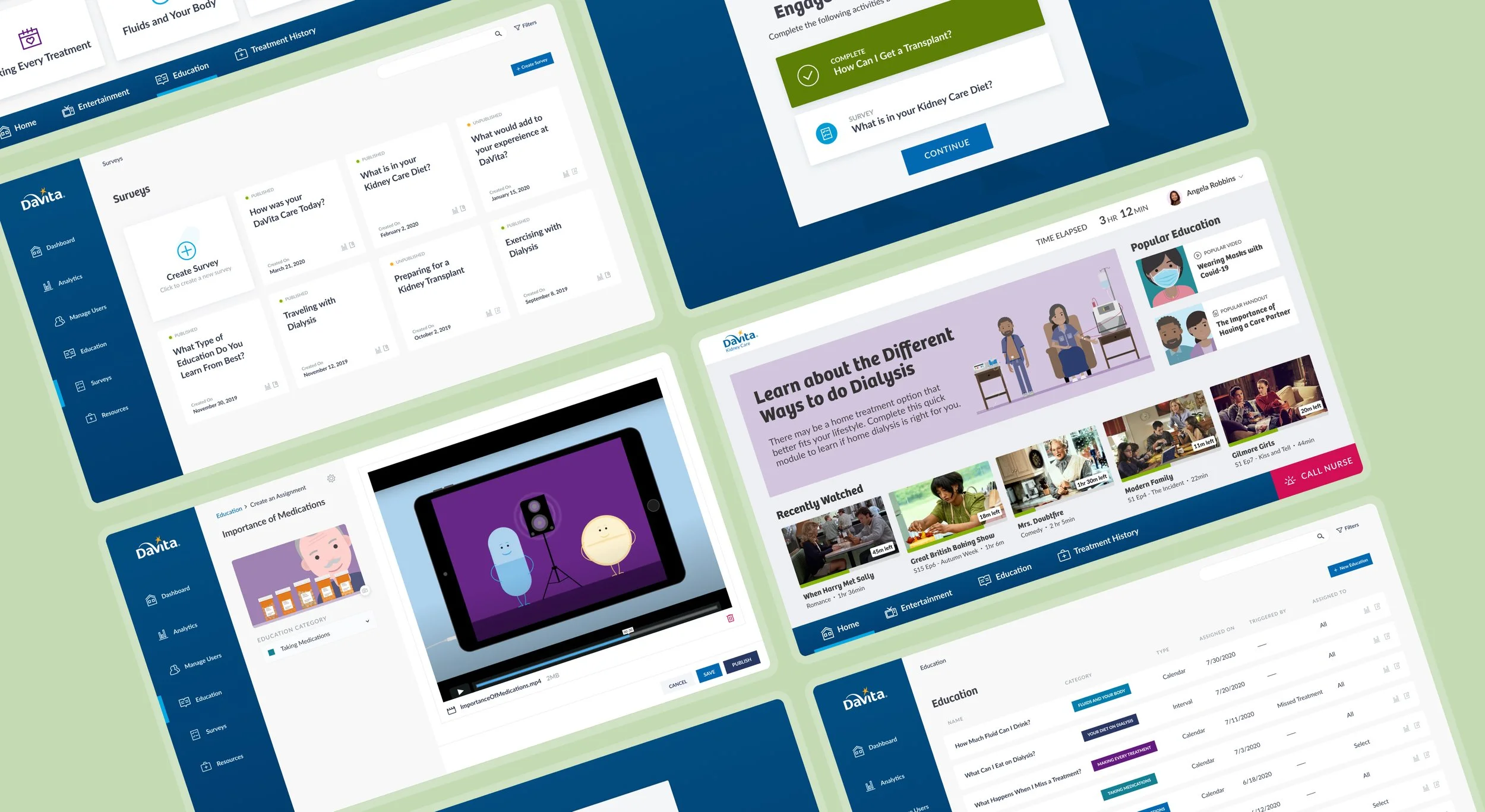
An in-chair interactive tablet platform designed for dialysis patients to complete required health education and surveys, access telehealth consultations directly from the chair, and track their personal health journey during treatment—all while unlocking personal entertainment. By automating patient learning and survey collection, the system improves health literacy, empowers self-care, and enhances patient comfort while relieving care teams of routine administrative tasks to prioritize direct clinical care.
THE CHALLENGE
What did we solve for?
01
Nursing Burnout & Administrative Burden
Nurses previously spent significant time sitting one-on-one with patients to manually administer paper surveys and deliver educational content, pulling them away from direct clinical care and vital monitoring.
The Solution: An automated, patient-facing system that delivers required health modules and records survey responses directly from the chair, automatically syncing data to the backend portal to free up nursing bandwidth.
02
Outdated & Unreliable Entertainment Systems
In-chair entertainment was limited to a single, shared wall-mounted television per room relying on expensive cable packages that were frequently broken or out of order, causing patient boredom and frustration during multi-hour treatments.
The Solution: A personal, arm-mounted tablet interface featuring a gated model where patients unlock individual entertainment options (movies, games, streaming, web) by completing their required health modules.
03
Physical Mobility Limits & Visual Impairment Constraints
Dialysis patients experience restricted arm movement due to access lines/IVs, overall treatment fatigue, and common vision impairments like diabetic retinopathy, making standard app interfaces difficult to navigate.
The Solution: An accessibility-first design utilizing generous, oversized touch targets, high-contrast visual hierarchies, and simple tap-heavy interactions optimized for single-hand or low-vision use.
FEATURES
What We Built
Patient Experience
Designed for accessible, self-directed care delivered directly from the treatment chair.
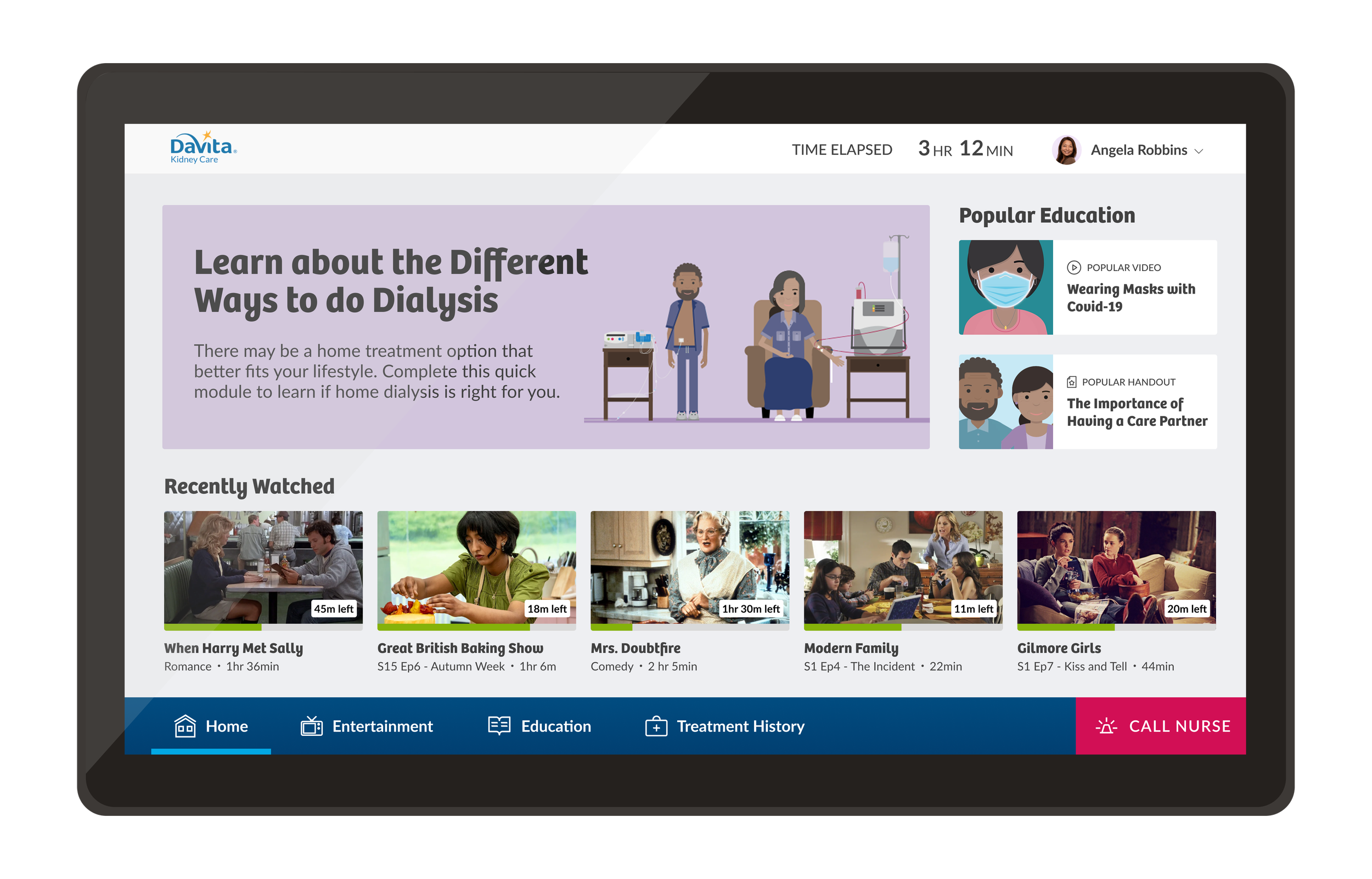
Gated Entertainment & Education Model
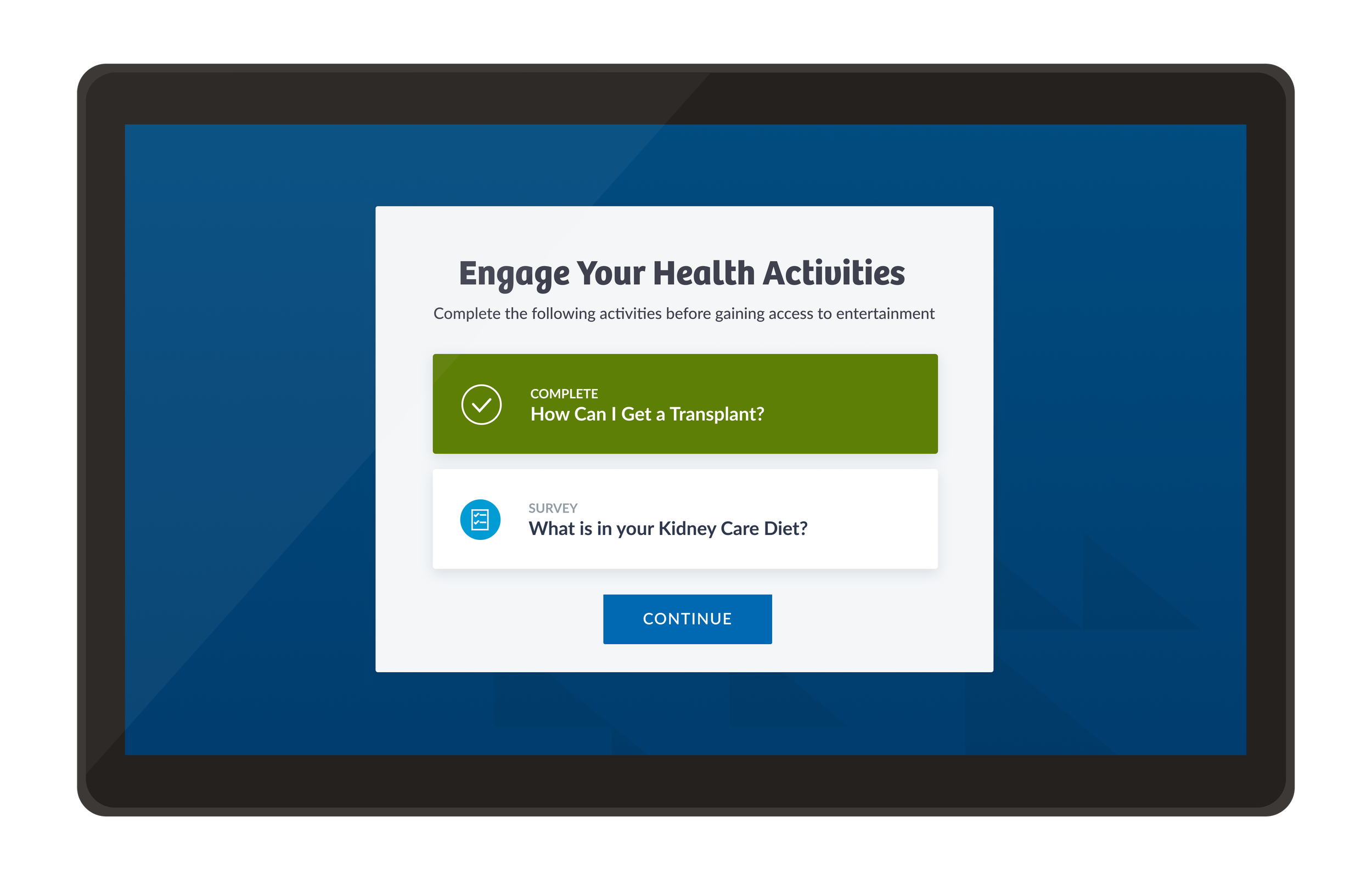
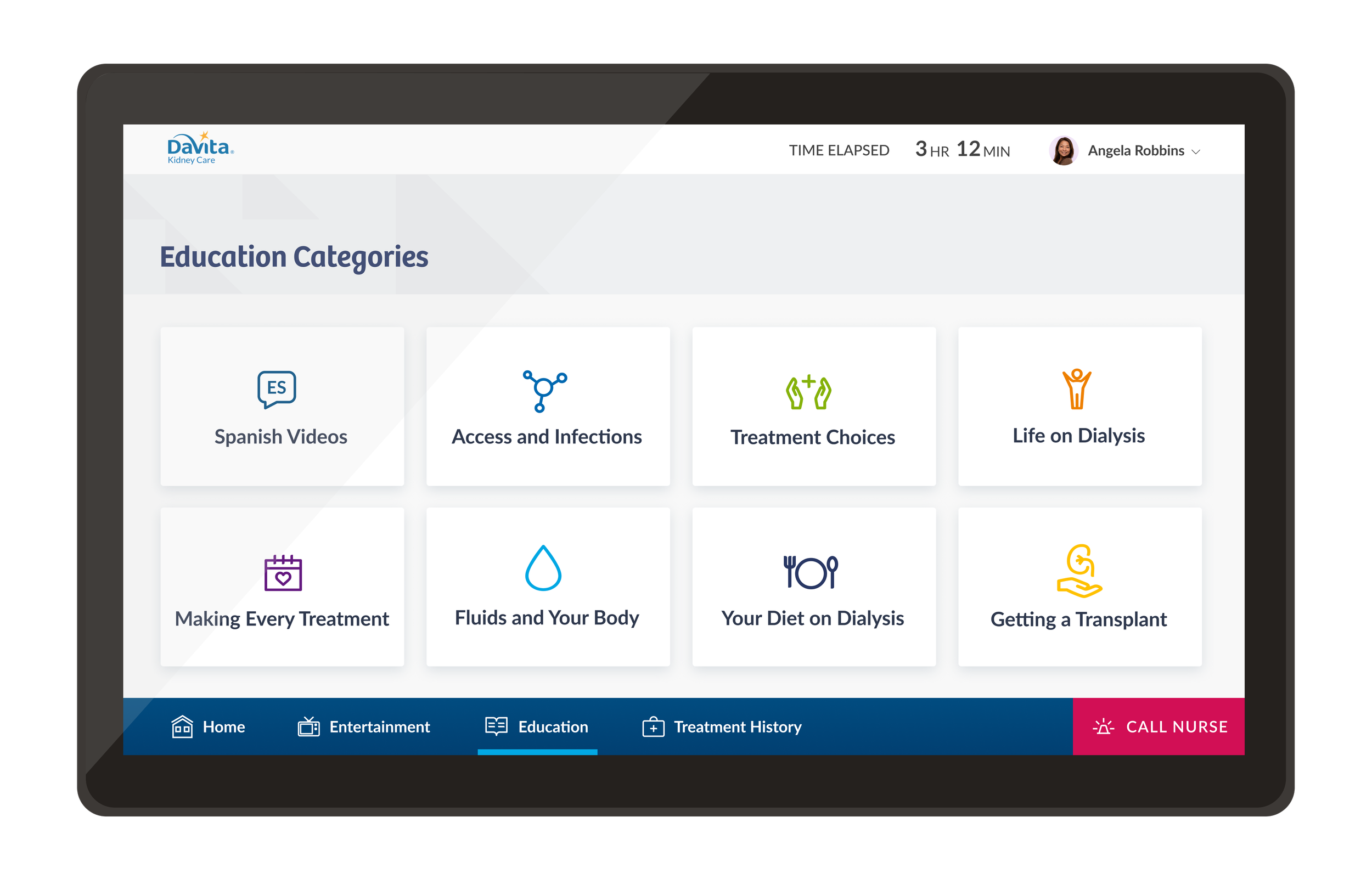
Patients complete health education modules and surveys to unlock personal entertainment options (movies, television, relaxing music) during their multi-hour treatment sessions.
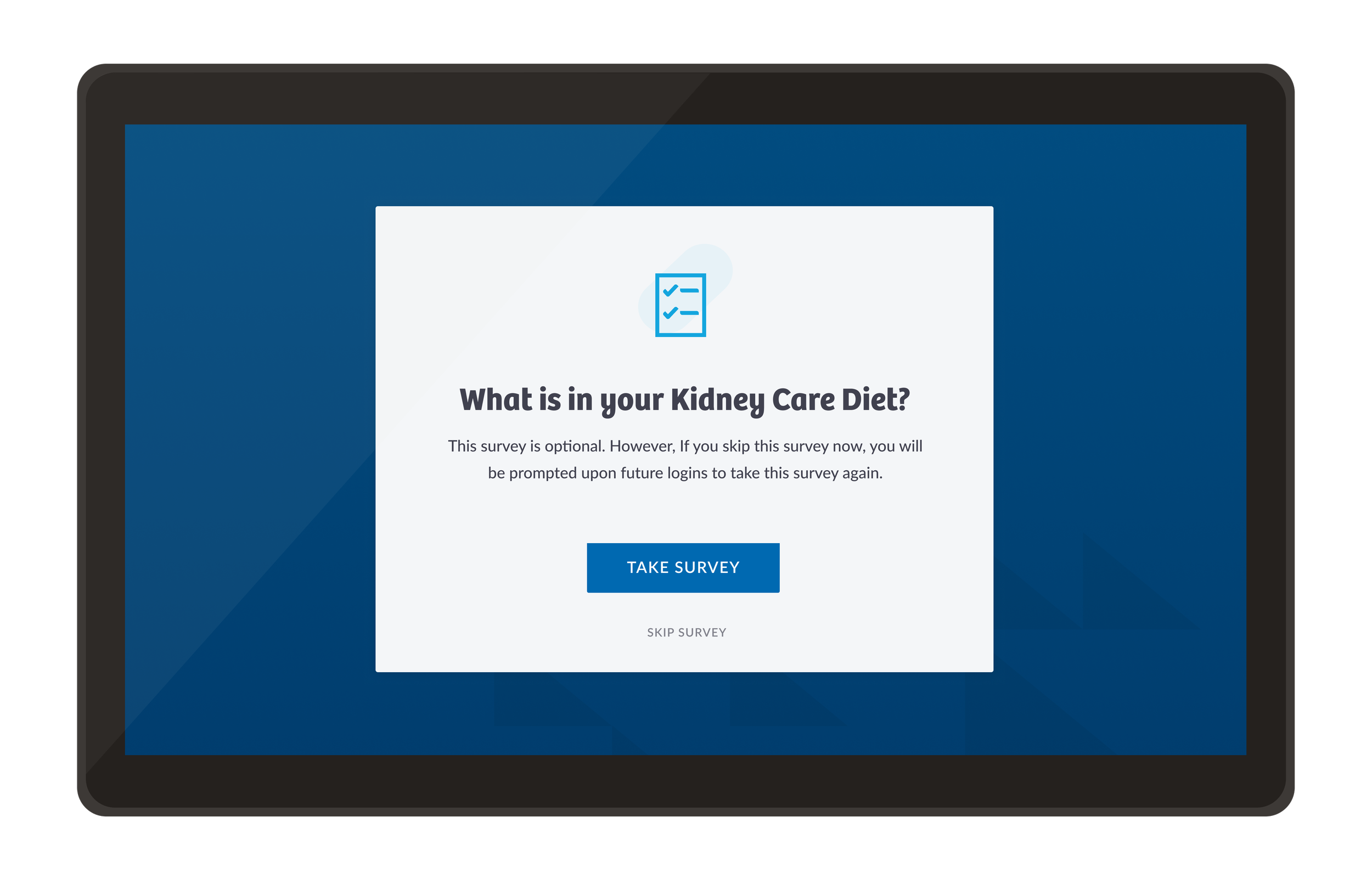
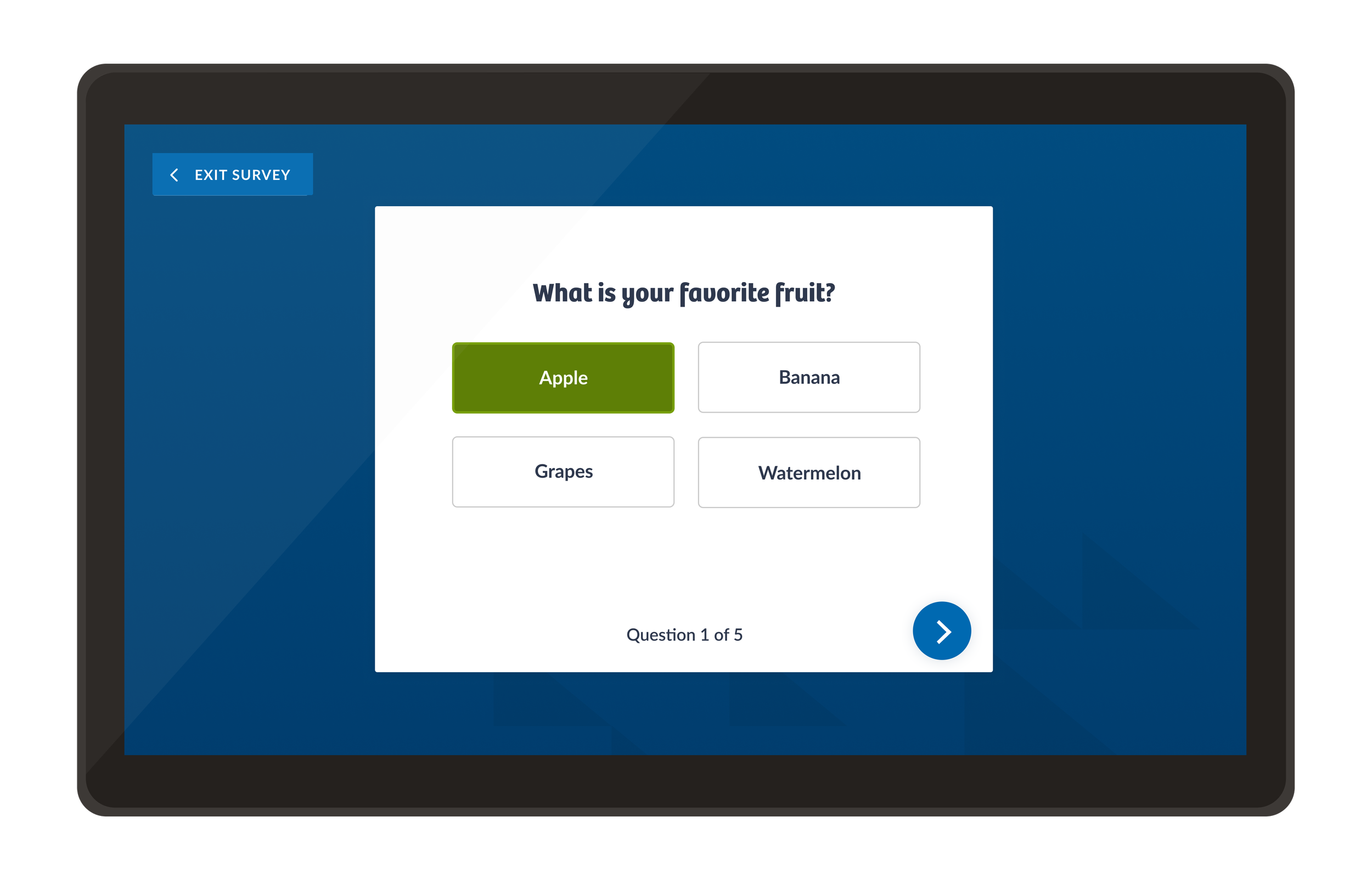
Login & Flexible Opt-Out: Upon logging in, patients are prompted with their session's required health module, but can easily opt out or defer it if they aren't ready, preserving autonomy without blocking immediate application access.
Self-Paced Unlocking: Required modules and surveys can be revisited and completed at any point during the session to unlock personal entertainment options (movies, games, streaming).
Session-Aware Progress Indicators: Integrated a dynamic treatment countdown timer alongside entertainment progress, helping patients make informed choices about what media to watch based on how much time remains in their dialysis session.
Accessible In-Chair Experience
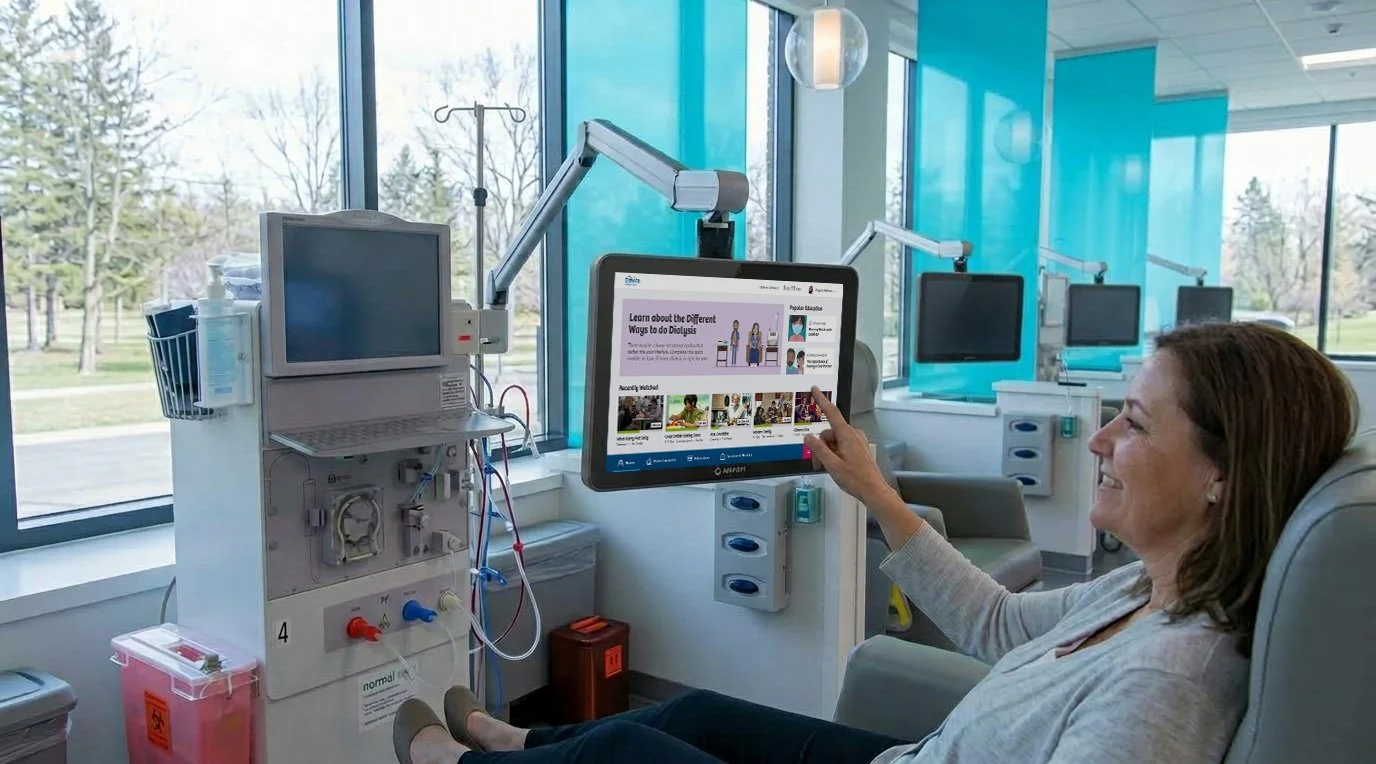
Built specifically for low-vision and mobility-impaired patients, featuring high-contrast visuals, simplified tap hierarchies, and oversized touch targets to accommodate single-hand use and restricted arm movement.
In-Chair Telehealth
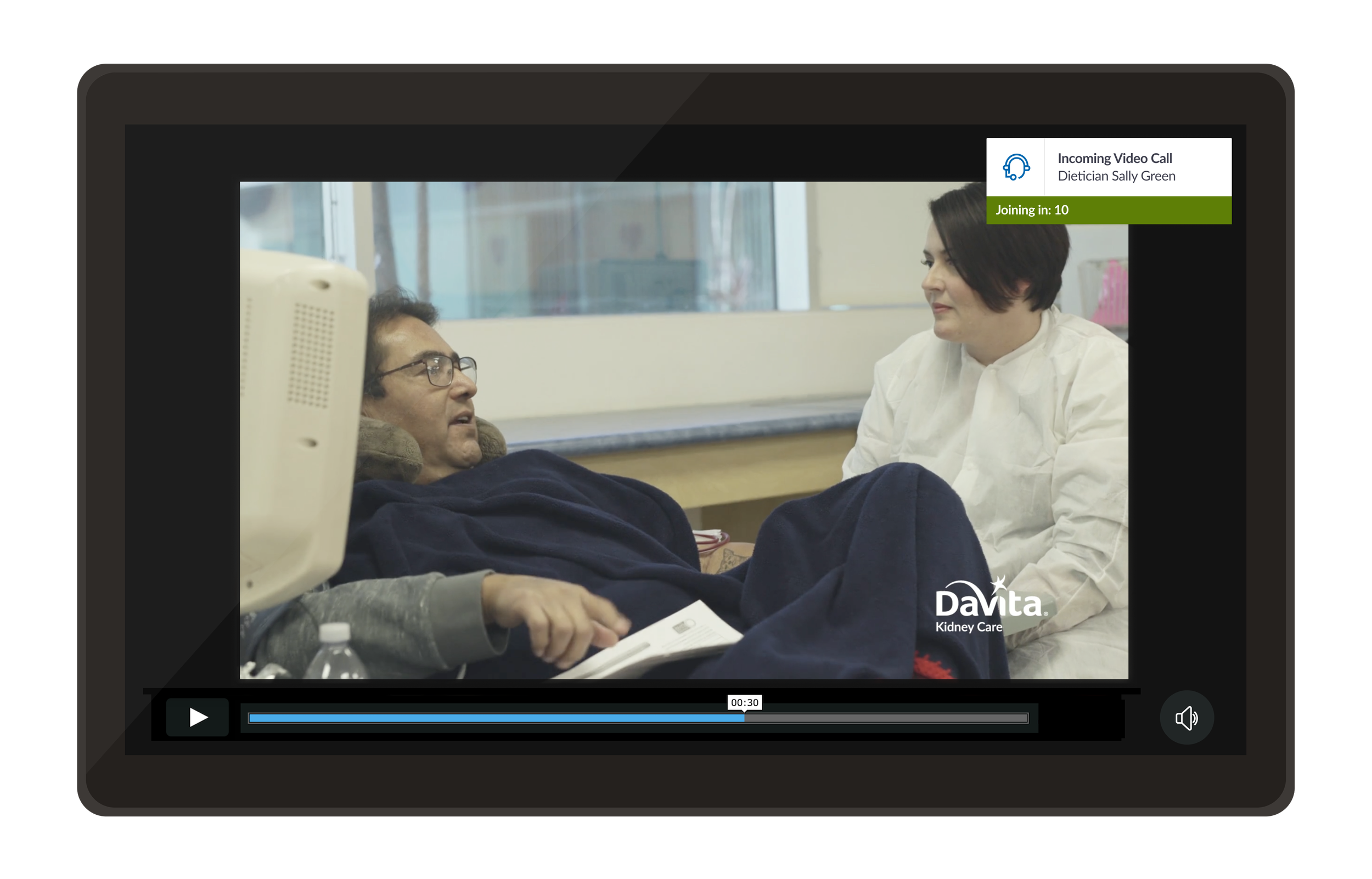
Enables real-time video consultations directly from the chair with doctors, dietitians, or financial specialists without interrupting the treatment session.
Admin Portal
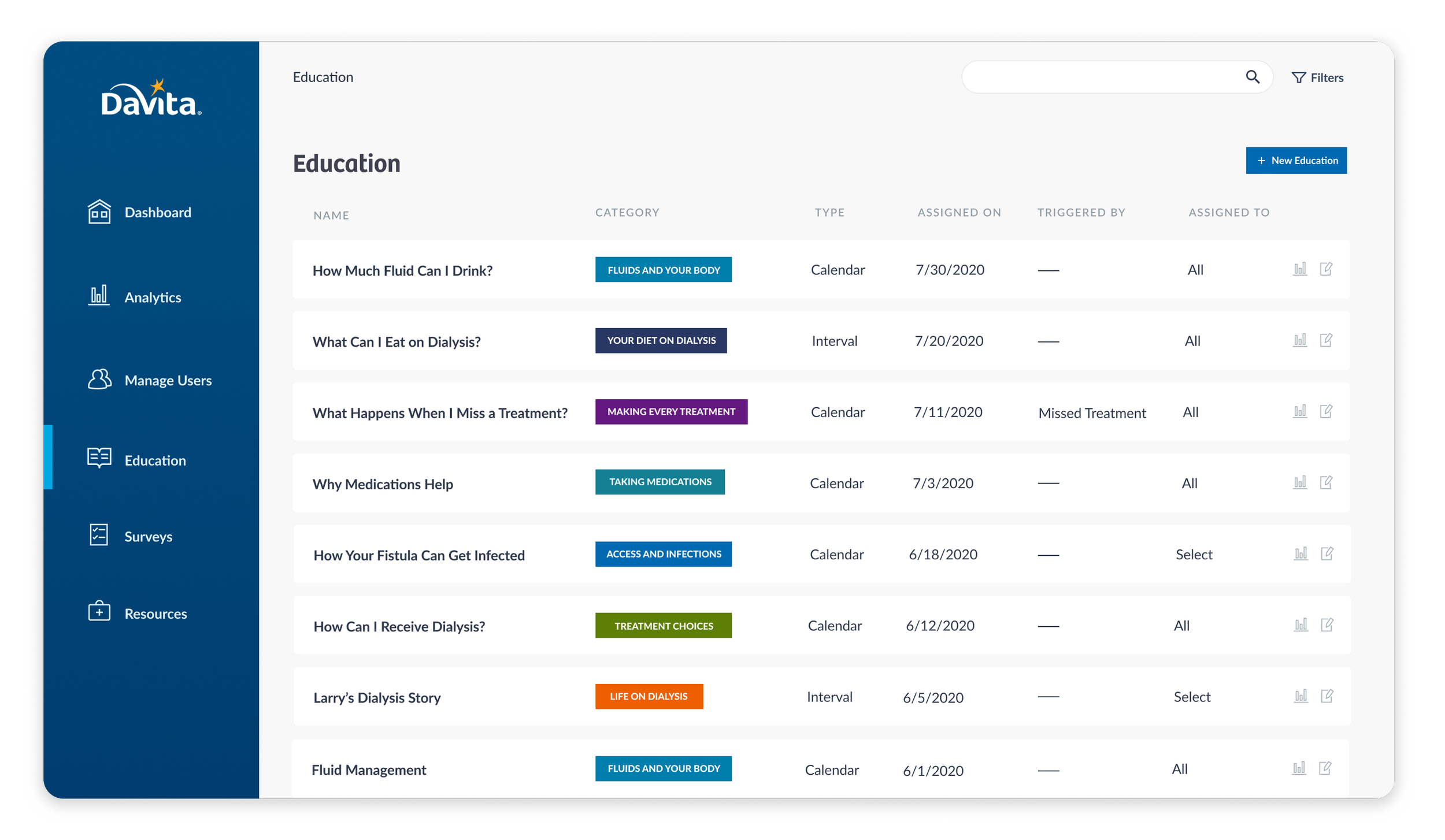
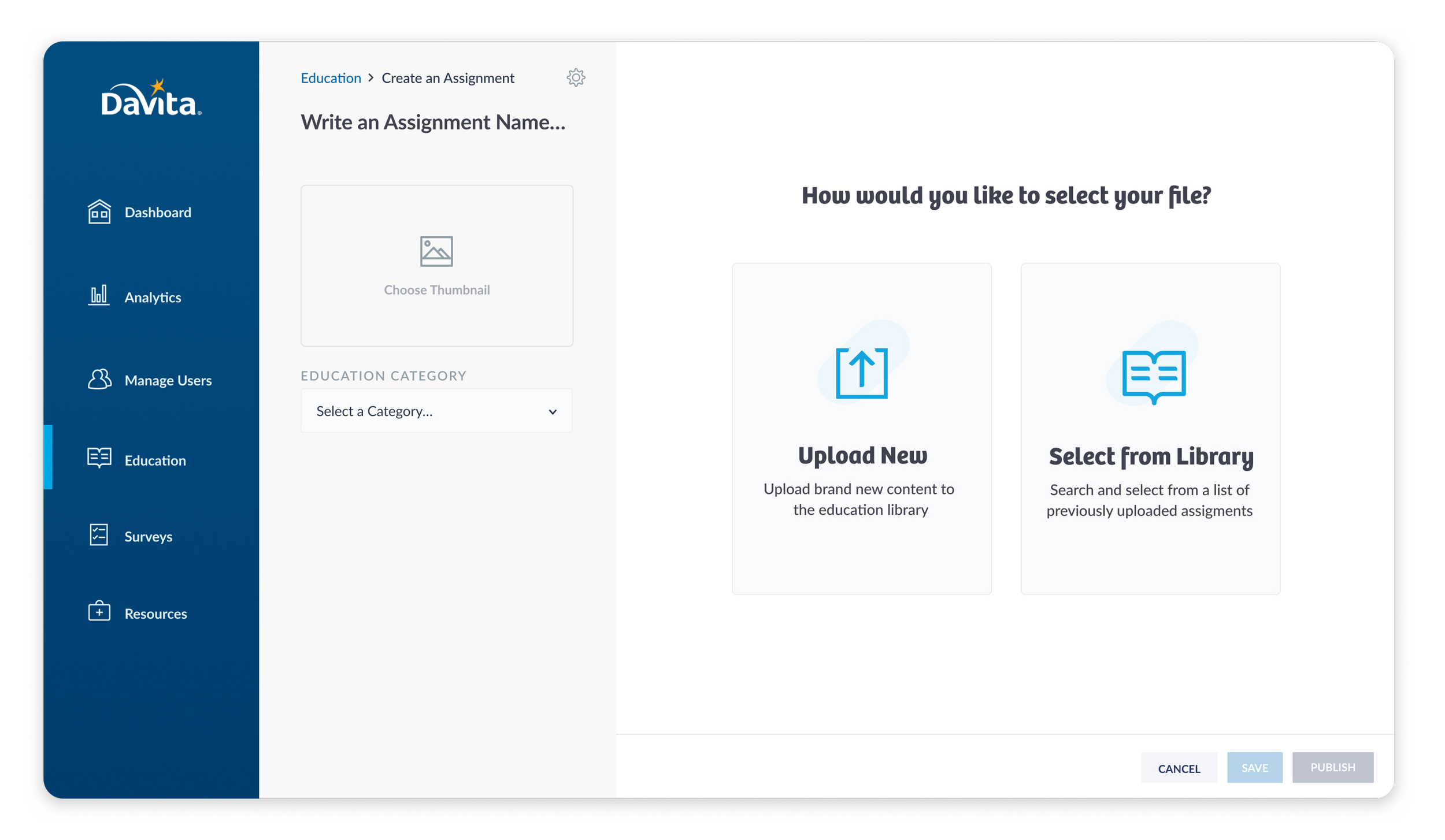
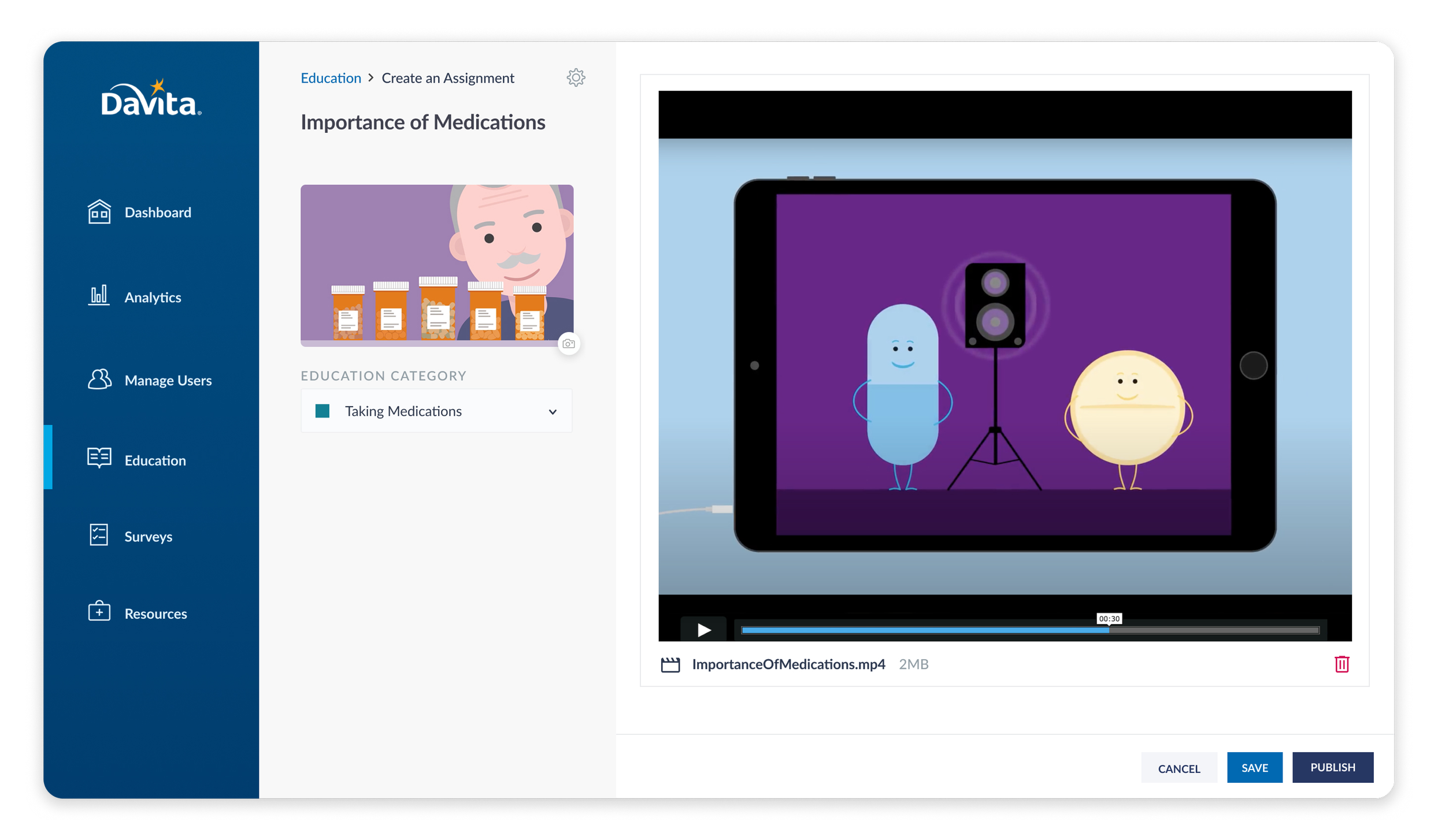
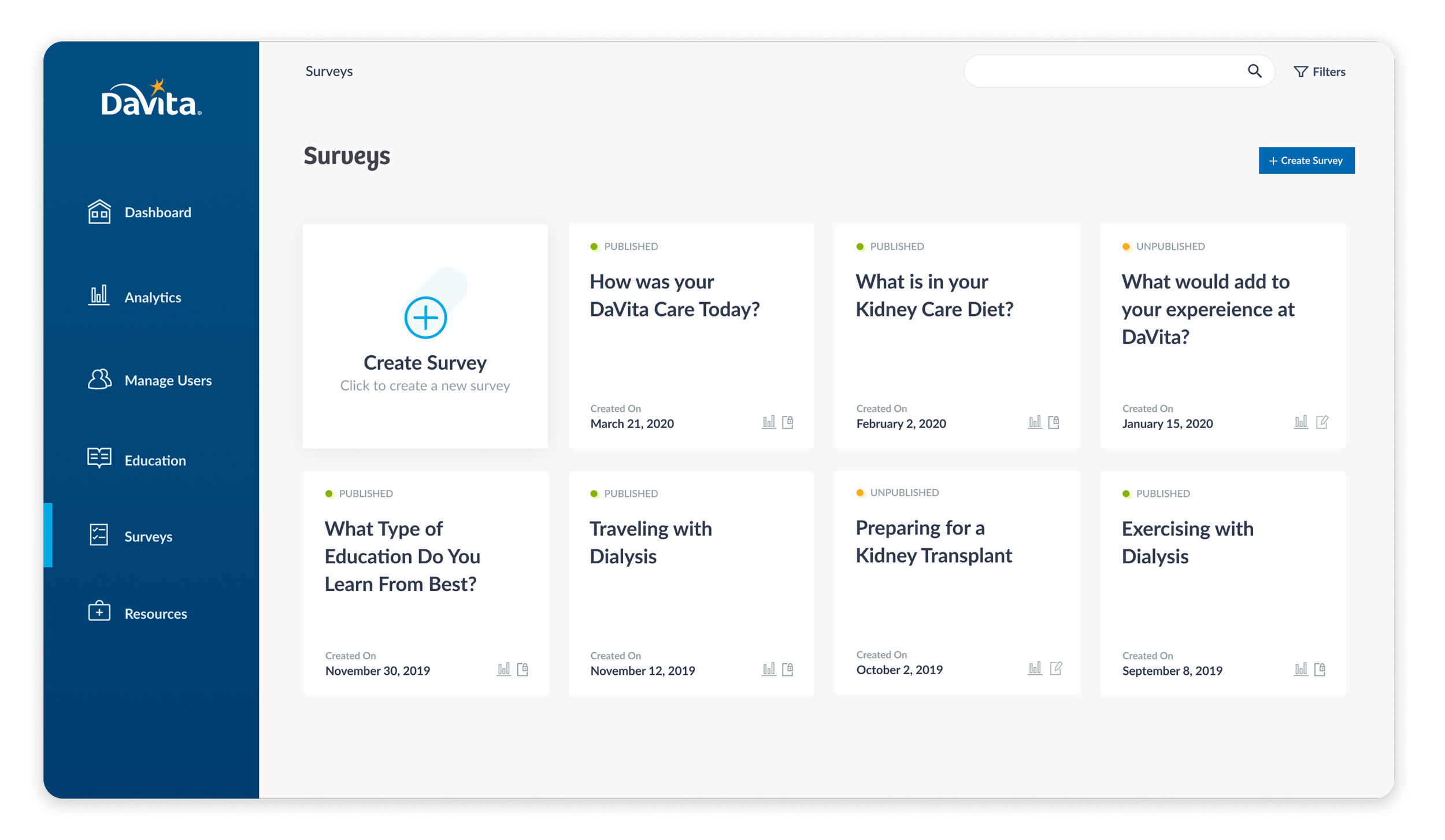
Educational Content & Survey CMS
An intuitive CMS that lets admins build, schedule, and assign custom educational videos, articles, and surveys without developer support.
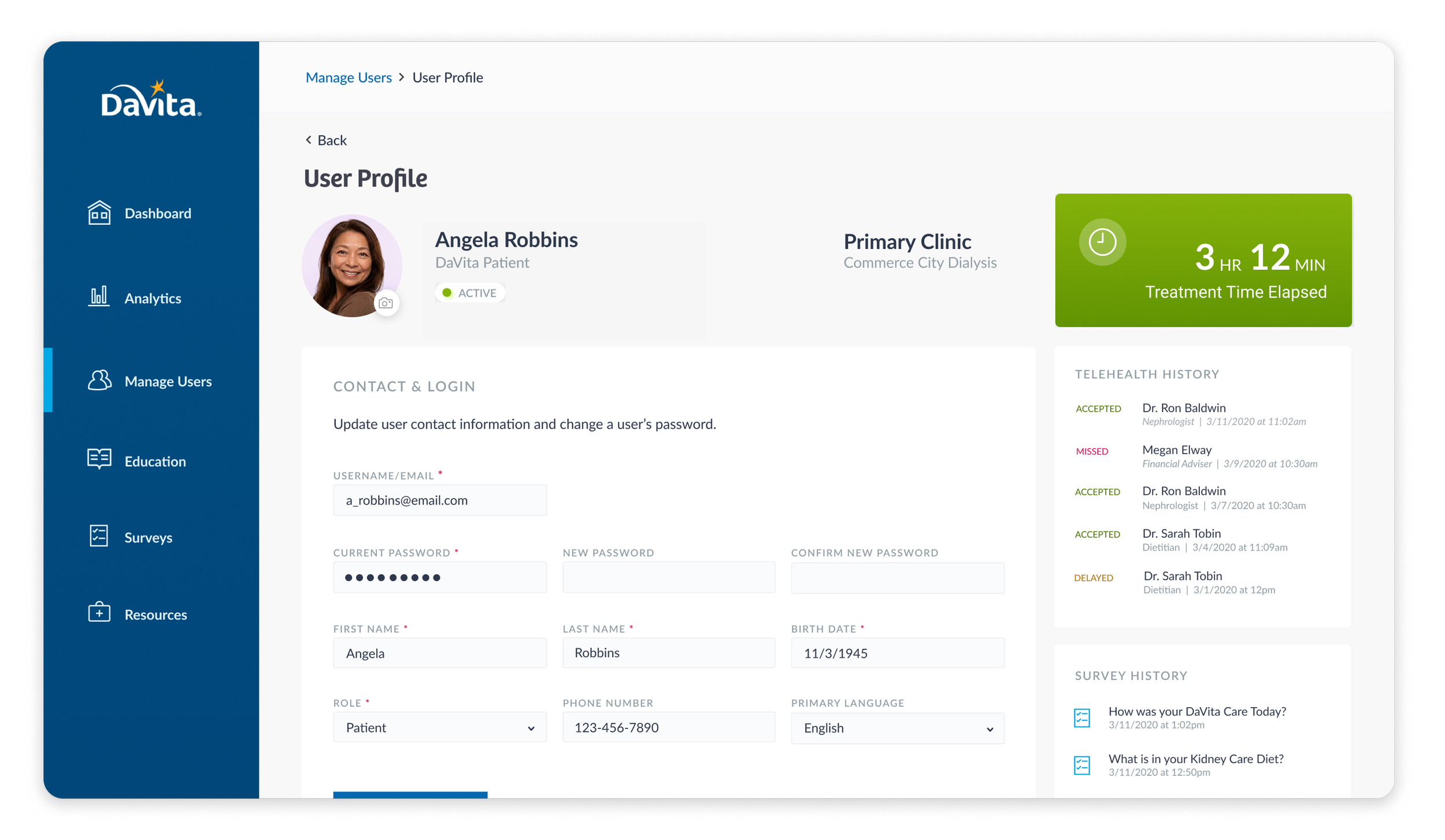
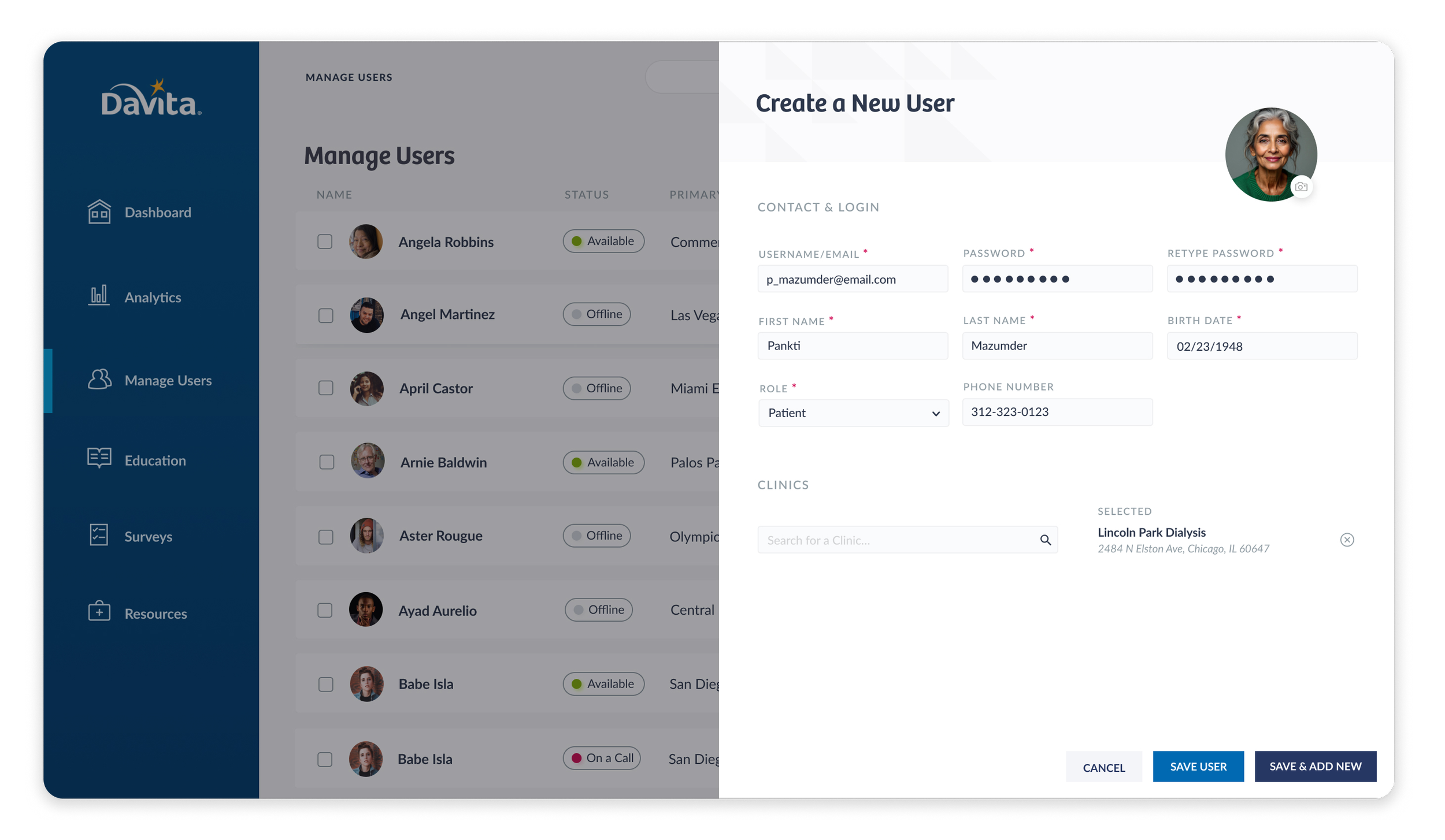
Patient Account Management & Progress Tracking
A centralized patient directory enabling staff to manage patient profiles, review historical engagement with educational content and virtual care calls, and maintain up-to-date patient information.
Care Specialists
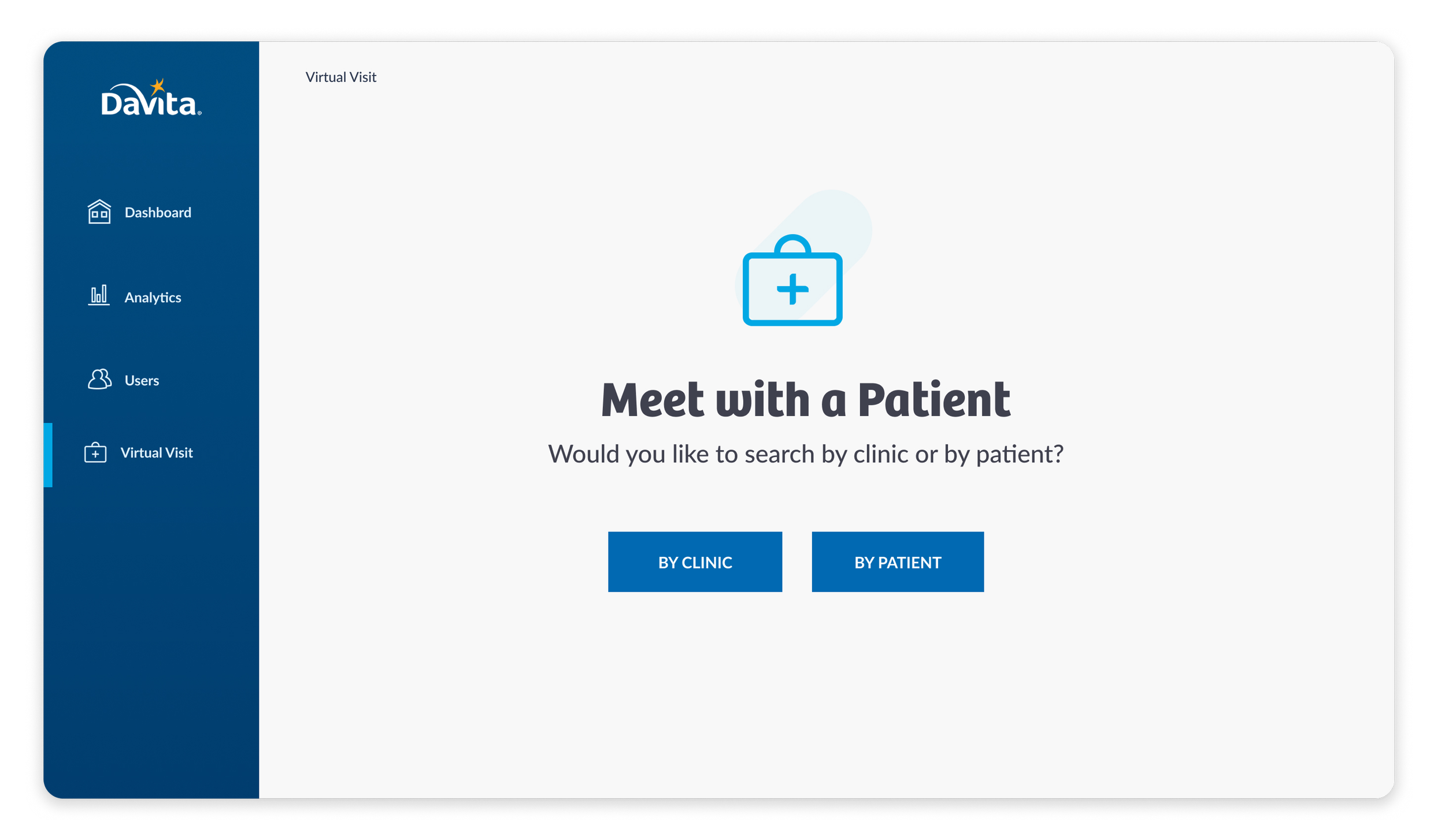
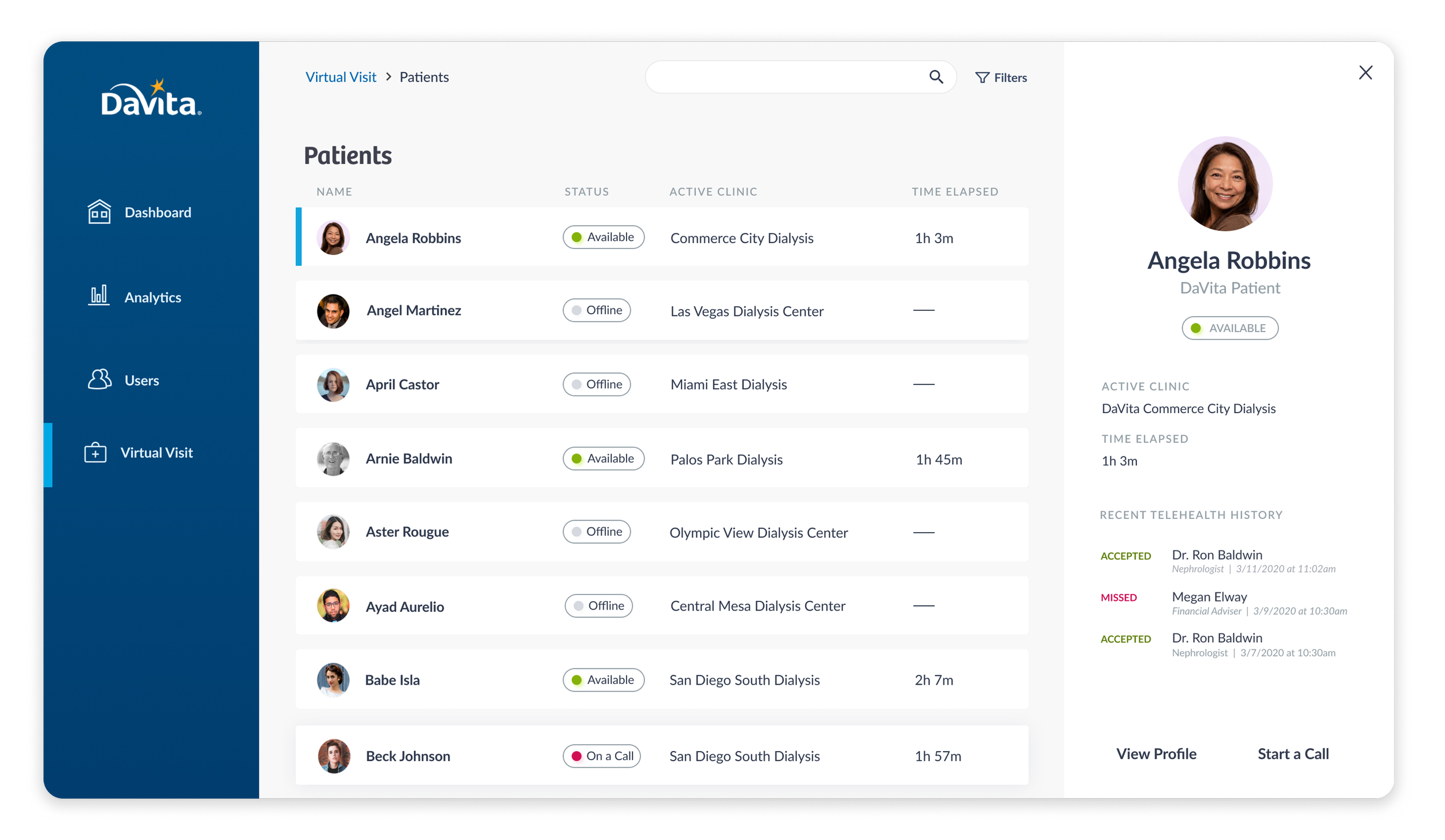
Unlike the feature-rich admin portal, this simplified bedside video interface strips away everything but effortless virtual check-ins, with no content-management overhead.
In-Chair Consultations: A streamlined, touch-friendly video interface that lets patients conduct direct, virtual check-ins with Care Specialists (Nephrologists, Dietitians, and Financial Counselors) during treatment idle time.
Role-Based Access: Allows support staff like Financial Advisors to conduct billing, insurance, and social services consultations through a privacy-focused window that isolates sensitive clinical records.
Low-Friction Controls: Features extra-large video controls, one-tap connection buttons, and clear visual prompts to ensure patients with limited mobility or vision can join calls without needing nurse assistance.
Outcomes & Takeaways
Clinical Efficiency & Nurse Retention
Manual administrative burdens are a primary driver of nursing burnout in high-volume clinics.
Automating patient education shifted nursing time from routine paperwork to direct patient care, reclaiming critical hours per shift and driving higher staff satisfaction.
Designing for Severe Accessibility Limits
Designing for dialysis patients revealed that accessibility in healthcare extends far beyond color contrast and text size.
Navigating single-arm constraints, tremors, and severe fatigue required stripping away non-essential UI steps, demonstrating that simplicity directly drives compliance.
Holistic Patient Care
Holistic patient wellness extends beyond medical stats to include financial stress and nutritional guidance.
Connecting multi-disciplinary care teams (Dietitians, Nephrologists, Financial Advisors) directly to the bedside during treatment idle time created a unified, low-stress care loop.
Design Handoff & Mobile Strategy Alignment
Following the initial release, we transitioned project ownership to the client’s design team through weekly syncs. We provided production-ready Figma files and component assets to keep their workflow lean while strategically mapping out a future mobile experience for patients using personal devices.